Why Everything You Know About An introvert Is A Lie.
- TROPICAL
- Jun 19, 2022
- 6 min read

Updated: Sep 11, 2022
Introvert meaning
an introvert is a person who prefers calm and minimally stimulating environments. People with this type of personality prefer spending more time alone rather than often being with other people. By doing this, they find the most comfort in their own thoughts, this helps them recharge their batteries by spending time alone. Not every introvert shares the same traits. here are the four types of introverts according to psychology:
4 types of Introverts

1. Social introverts.
These are introverts who prefer spending more time alone than socializing with large groups of people. social introverts are the type of introverts who would choose a quiet night at home over a night out, They usually go out of their way to ensure that they have the quality amount of time to themselves that they need. This doesn't mean they don't socialize, they do but with a very close-knit group of friends. Social introverts prefer living this lonely life because they enjoy their company and feel emotionally drained if they spend too much time in presence of people they don't know. most people confuse this social introversion for shyness or anxiety.
2. Thinking introverts
This introversion is associated with daydreamers. they spend a lot of time in their thoughts and tend to have creative imaginations, They are very cognitive in nature and often intellectual. When it comes to close relationships, thinking introverts narrate their introversion by asking for time to think in response to a question. They love hypothesizing, creating, ideating, and storytelling.
These introverts might come across as aloof or spacey to anyone who can't hold their attention. they can be an invaluable asset in regards to adding needed thoughtfulness and creativity to social settings
3. anxious introverts.
These are types of introverts whose minds frequently jump to worst-case scenarios in any given situation. as a result, they find themselves overpreparing. According to psychotherapists, this anxiety usually manifests physically in their bodies as frequent muscle tension and aches. Anxious introverts might unconsciously pick at the skin around their nails, tap their foot, scratch their scalp, or do other repetitive things that get their nervous energy out. These introverts are always tired, because of dealing with a constant underlying level of anxiety.
4. restrained introverts
They are also called inhibited introverts because they tend to be more reserved and have their guard up around others until they get to know them. what this simply means is that they don't show their cards upfront and are really guarded at first. but once they know you or you know each other, they are happy to play open hands. they keep their personal information close to their chest until when they are comfortable in the relationship, which usually takes longer than usual because of their sluggish approach.
Introversion versus shyness.

These are actually two separate entities. A lot of people have a misconception that introversion and shyness are the same things, the reality is they are two different things. First of all, shyness is a state of being anxious and awkward when you are around people, for example, you see an attractive lady who you really want to speak to but you have this feeling of not approaching her because you are worried about what she is going to thin about you, or how she is going to react, that shows that you are shy.
An introvert doesn't necessarily have a problem being around people, he just chooses not to. That is a big difference. So instead of being around people or going to a party, they chose to stay home and watch Netflix or read a book or do whatever they want to. B
Introversion is a move of a choice but for shyness, it is social anxiety and fear of being judged and you know possibly ridiculed by people
causes of introversion
Inner-directedness isn't absolutely hereditary. It gets impacted by your current circumstance early on, and our qualities permit a specific measure of adaptability accordingly. This occurs through "set places," which are the upper and lower cutoff points of how much extroversion your mind can deal with.
myths about introverts.
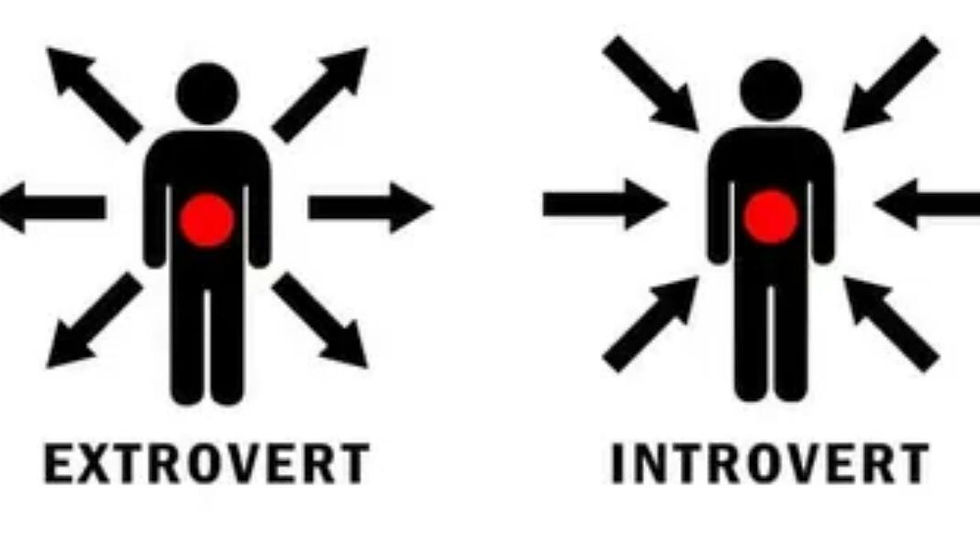
1. Just extroverts like to mingle
Once more, the qualification is the number of individuals an individual likes to associate with, rather than one sort of individual not having any desire to associate whatsoever.
"Individuals frequently think thoughtful people are 'hostile to social,' which isn't true. Contemplative people appreciate connections and mingling; they simply have an alternate resistance level for how much mingling they're OK with."
In actuality, outgoing people should be visible as the bubbling energy source everyone crowds around or extroverts. "Positively, there's a connection, yet this isn't generally the situation," Dr. Fraga says. While thoughtful people truly do will quite often like additional time alone, this break permits them to be completely contributed and to have a ball when they're with companions.
2. introverts don't face challenges
What on earth does what number of individuals you spend time with or then again assuming you like investing energy alone have to do with facing challenges? Fears and wants are something else entirely from extroversion and contemplation.
"[These labels] pass deception and can cause bits of hearsay on to spread about these character attributes that are unwarranted," Dr. Fraga says.
So rather than excluding thoughtful people for unsafe things, allow them an opportunity to communicate their thoughts and pick whether an action is something they're keen on doing.
3. extroverts individuals are more joyful
Intrinsically, going about as an outgoing person or self-observer would you say you are continuing such that makes you more joyful — so how could one aggravate you? The main way one individual would feel more troubled is if they somehow happened to attempt to go about as something contrary to who they normally are.
Embracing the social circumstances you normally incline toward, rather than driving yourself into ones that are too huge or little for your prefer, will make you most joyful.
4. A self-observer is bound to manage psychological instability
Since somebody really does well in huge gatherings and is garrulous doesn't imply that they are less inclined to manage a psychological sickness.
"It's harming to convey that there might be an association. While seeing what builds one's gamble of psychological sickness, we want to check many variables: science, adolescence injury, family ancestry, and general personality," Dr out. Fraga says.
Truly, a great deal of the time that I'm active and rambling, it's the point at which my nervousness is erupting more than typical. By encircling myself with great individuals and visiting about irrelevant things, it assists me with blocking out the tension or lessening it through and through.
5. Social butterflies are substantially more sure
Certainty understanding's best for yourself and who you need to invest your energy with. It's not having more companions or being social constantly. So whether an individual is a thoughtful person or a social butterfly does not affects their certainty, for however long doing causes them to feel better and cheerful.
6. introverts hush up
Once more, loners are not be guaranteed to modest or meek. In the event that you just see a self-observer in enormous social scenes, this might be the impression you get, however that is simply because it's not the climate where they flourish.
It resembles when somebody says, "They're peaceful until you get to know them." Take your experience with loners and spend time with them in a more modest setting. You wouldn't believe how soon you will not have the option to inspire them to hush up!
7. Contemplative people and outgoing individuals will not get along
The reality of the situation is nobody is complete without a doubt and there will be times that a contemplative person might appreciate draping out in a major gathering while a social butterfly visits one-on-one.
These inclinations are not characterizing qualities of an individual's character, implying that a loner and outgoing person might track down a lot of things to bond over. The key is to allow everybody an opportunity, regardless of what size bunch they feel generally good.
Signs you could be an introvert.
Need calm to think
Are intelligent
Are mindful
Take time deciding
Feel open to being separated from everyone else
Could do without a bunch of work
Really like to compose instead of talk
Feel tired in the wake of being in a group
Have not many kinships, however, are extremely close with these companions
Dream or utilize their minds to figure out an issue
Retreat into their own brain to rest

Jennifer grimes
Jonathan cheek
read more from our website:
This article contains
types of introverts
introversion versus shyness
5 myths about introverts
Signs you could be an introvert
definition of an introvert


Comments